Scholarships for College: A Firsthand Guide

My name is Michael Bailey, and I am a sophomore student at Maryville College in Tennessee, majoring in Neuroscience.

Help finding college scholarships can be challenging, but with unwavering determination, you can be successful. 

So, here are the tips that have worked for me.

Find college scholarships and grants that suit your uniqueness 

As an international student, I am limited to working 20 hours each week, so scholarships have been my primary source of paying for college. My main aim for each semester was a place on the Dean’s List, which would increase my chances of receiving an award. With the assistance of kind organizations who helped to pay my tuition, especially in the first year, I honed in on my studies and attained that goal.

Source information from your school 

Most high schools have at least one guidance counselor. Speak to counselors at your school, as they may provide a wealth of information about college applications and scholarships. Most importantly, some scholarship applications require a letter of recommendation from a school official, so building that relationship with a counselor might be rewarding. Ask your guidance counselors about any scholarship they may know of, or even connect you with philanthropic organizations. 
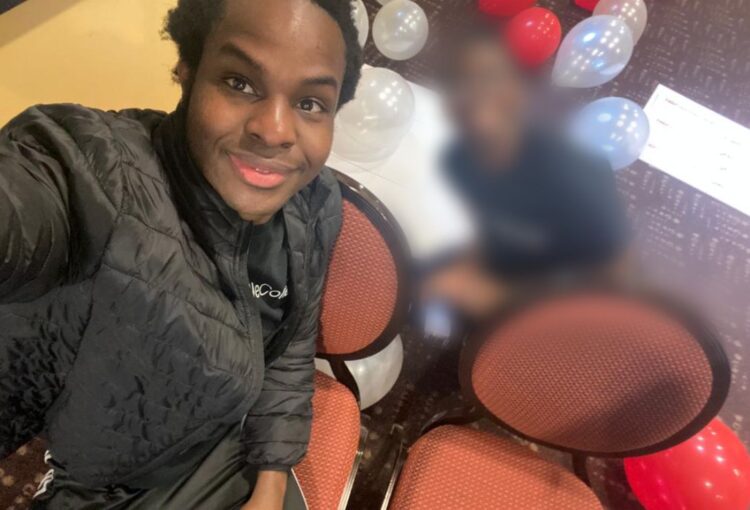
Michael Bailey

Start searching early 

The scholarship search process should begin right away. The worst feeling is finding a scholarship that perfectly suits you, but the deadline passed. Searching early increases your chances of discovering the right scholarships on time and allows the space to hear back from organizations before school starts. It also gives a clearer picture of your future financial situation. Contrary to popular belief, college scholarships are awarded yearly, with a massive increase over the summer. 

Apply 

Read all requirements carefully (most importantly, the deadlines), and showcase why you deserve the scholarship. Also, do not underestimate the importance of smaller scholarships. 

College scholarships can be an essential aspect of your college experience. Despite being difficult to navigate, following simple tips can yield great results. To be successful, students should take charge of their goals and be willing to discover information and opportunities from diverse and credible sources.

So how do you pay for college? Let us know in the comments.

How to Prepare for your First Day of College

Attending Maryville College in the Fall of 2021 is a dream come true, and preparing for my first year has been a joyous experience. The steps that I have taken before my departure so far are planning, packing, and getting vaccinated. 
planning, packing, and getting vaccinated. 

Planning 

Packing 


go to this site

Getting Vaccinated

A less joyful experience in the preparation process for me is getting vaccinated. As expected, each university has different vaccination requirements. So far, I have received three vaccinations and did a tuberculosis test.  But that’s not all; I still have more vaccines to receive before departure. During my first week at Maryville College, I should receive my Covid-19 vaccine (currently unavailable for some age groups in Jamaica). 

My preparation progress so far has been good, and I am excited about starting my journey at Maryville College in the fall of 2021.

Let me know how your preparation for College is going.

How to Navigate the F-1 Student Visa Interview Process

The Final Step: Your Student Visa

So, you’ve secured admission to your dream school and earmarked enough financial resources to make a move. However, like most international students, there’s one small (probably LARGE) barrier; the F-1 student visa.   A lot is riding on a five-minute dialogue with a stranger. Fortunately, with enough confidence and information, you can ace the interview and leave the United States embassy with an approval letter.

Why should you believe me? I just went through this myself. My name is Michael Bailey, and I recently aced my student visa interview. Here are some tips that you may find helpful.

Ooze Confidence

man in blue button-up collar holding gray laptop bag and holding glass door

Surprisingly, the F1 student visa interview is not as scary as it sounds, as the Officers seem to enjoy granting student visas. Upon arrival, your greatest challenge may be to overcome self-doubt. However, be confident from the security checkpoint until you finish your interview. Doing this will make your answers more fluid and credible, and you will find the process a lot easier.

To boost your confidence, stand upright, look the Officer directly in the eyes, and stay composed throughout your session, even if you are asked a question you were not prepared to answer. Don’t be scared to say, ‘I am sorry, but I do not know the answer to that question.’

Practice Makes Perfect

Most visa interviewers ask the same questions: Why did you choose this college? How will you pay for your expenses, and what will you do after your studies? By practicing, you will become more confident and comfortable with your answers. This will work well in your favor as it will convince the Officer that you are prepared and deserving of the student visa. Here’s a complete list of possible questions that you may find helpful.

“The most important piece of advice that I can give to anyone desirous of studying overseas, is to practice, practice, and practice some more”.

Prep for the Conversation

two men talking


Don’t be fooled; without all the necessary documents, your visa application will not be successful. Here are a few tips to keep you organized and focused.

  1. Create a checklist of all the must-have documents required for the interview weeks in advance;
  2. Ensure that you print copies of all must-have documents. These include your acceptance letter, Form-I-20, scholarship letters/bank statements, passport, and DS-160 confirmation page.   It is highly advised that you only hand these documents over to the Officer when asked, at which point you should ensure that they are straightened and not in an envelope;
  3. Keep all your must-have documents in one place; a folder is a good option; and
  4. Arrange all your documents based on the likelihood that the Officer will ask for them. For example, they may want to see your SEVIS fee receipt and Form I-20 (Certificate of Eligibility for Nonimmigrant Student Status), so make sure they are at the top of the pile.

With confidence and all documents in hand, the visa interview will be over before you know it.

You have worked so hard to get to where you are, so use the opportunity to show this to the interviewer. Don’t forget to demonstrate why you deserve the visa and assure them that you will abide by all the student visa rules. 

By being truthful and considering all the tips above, you should stand a good chance of leaving the embassy with an approval letter.

Best of luck with your F-1 Student Visa Interview.

Please let me know if I am of any help.

How I got into College Abroad, with a Full-Tuition Scholarship

Despite being a novice, I was fixated on navigating the admissions process to become a Maryville College Fighting Scot. As an international student, the admissions and scholarship essays were the most challenging aspects. Secondary education did not coach me to write candid, advanced, concise essays that American colleges expect of their applicants. Students are encouraged to share profound and vulnerable experiences while demonstrating grit and growth. To succeed in the college admissions process, I knew I needed to develop a sense of direction and show maturity. 


Here are some things I learned during the 2020-2021 college application season:

The quest for GREAT GRADES

Grades are undoubtedly a crucial factor. However, don’t be dissuaded if you don’t have the best grades. US colleges review admissions and scholarship applications holistically, meaning they look at the entire application before making a final decision. Colleges want students to contribute positively to their community and help to change the world not necessarily the smartest. However, it is still imperative to have solid grades, as this enhances a student’s value proposition. How did I do this? I ensured that I completed all assignments, studied for tests, and excelled on examinations. Universities want to see how well you perform throughout the year, including your national secondary school-leaving examinations (CSEC and CAPE) results. 

Ready….Set… RESUME!


Here are a few questions to consider:

How active are you in your school and community? 

Did you volunteer? 

Are you a leader? Are you pursuing your academic passions outside the classroom? Do your activities provide any link to the interests you mentioned elsewhere on your application?

These are questions that colleges ask when reviewing your resume. Don’t peak your activities to deceive admission. Ensure that you participate in those that you care deeply about. For example, I am passionate about leadership; I served as a Form Captain, Assistant Form Captain, Prefect, and Senior Prefect, distributed from first to sixth form. Colleges will see my passion from the start to the end; as more valuable than joining the 4-H club in the second semester of upper sixth form. 

What are your teachers saying about you?

In college admissions, everything holds weight, and it is no different when it comes to letters of recommendation. Bearing this in mind, I chose teachers aware of my academic aptitude and community endeavors to write personal letters of recommendation. I asked teachers who were enthused and wanted to see me succeed. Generally, I gave my teachers about a month to write my recommendation letters. It is essential to provide ample time so that they can reflect if necessary. A brag sheet summarizes your activities and honors and can refresh a teacher’s memory. 

The goal of any scholarship application is to stand out. When submitting a recommendation letter for the International Diversity Award, I used a UC Berkeley program director who wrote an excellent letter on my behalf. I am pretty sure that this demonstrates my ability to thrive in competitive environments outside of my comfort zone. Everyone has a math teacher, but how many students can get a college recommendation letter in high school? 

Enjoy the process. Build your college list wisely, and put your best foot forward in each component. Find your competitive edge, and tell your story. There is no better feeling than a letter that starts with, “Congratulations!”