Empowering Dreams: Following Michael’s Path to a Neuroscience PhD


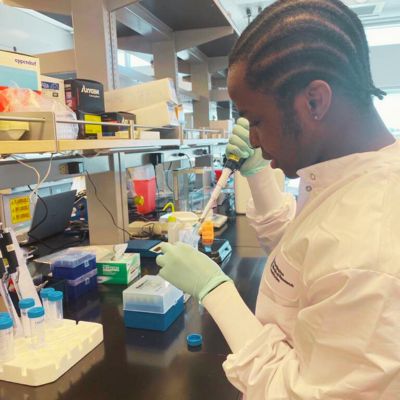
Navigating the path to higher education can be challenging, and for many students, it’s a journey undertaken for the first time in their families. A U.S. Department of Education 2017 report reveals that among high school sophomores in 2002 who later enrolled in college, a significant 24% were first-generation students. This statistic highlights the growing number of students embarking on college as the first in their families to do so. This offers valuable context on the achievement gap for first-generation college students and the need for additional support systems to help these pioneering students achieve their academic goals.
Often hailing from low-income backgrounds, first-generation students may seem similar to those who grew up in poverty but are not the inaugural college attendees in their families. What sets apart these first-generation students nationally regarding their college experiences and the support they receive? Most first-generation students attending highly or moderately selective institutions successfully graduate, in contrast to the significant majority of first-generation students enrolled in open-admission schools who do not. While the more selective schools tend to choose students who are more likely to graduate, open-admission institutions admit all who meet essential criteria. This distinction in selection criteria also applies to non-first-generation students. Notably, at highly selective schools, the family’s educational background correlates with a modest 10-percentage-point difference in graduation rates. Conversely, the graduation rate for first-generation students at open-admission schools falls below half that of non-first-generation students by a considerable margin of 23 percentage points.
Various challenges impact first-generation college students’ enrollment and graduation rates (FGCS). A study by the National Center for Education Statistics 2001 revealed that 54% of students with parents who completed high school enrolled in college right after graduation. In contrast, only 36% of students with parents who did not finish high school pursued college immediately. FGCS encounters obstacles such as a lack of preparedness for college, insufficient family support, and financial insecurity. Issues like racial underrepresentation, low academic self-esteem, and difficulties adjusting to college may arise during enrollment, leading to a lower college completion rate than students with at least one parent holding a four-year degree.
College readiness encompasses the academic and practical knowledge required for success in higher education. Many first-generation college students (FGCS) come from low-income backgrounds and attend underperforming PreK-12 schools. These schools often lack well-qualified teachers and suffer from inadequate funding, impacting the quality of education for FGCS. Studies show that initial SAT and ACT test-takers from first-generation backgrounds tend to have less foundational academic preparation and achieve lower scores than later-generation test-takers. SAT/ACT scores and high school GPA are critical indicators of college persistence and academic achievement.
FGCS parents often need more awareness of the importance of high school curriculum and college preparation. They may be less likely to encourage their children to excel academically or pursue advanced placement courses, influencing FGCS readiness for college. Additionally, many FGCSs need to learn about the college application process, financial aid, and the choice of a major. This group may need help differentiating between various higher education institutions, potentially selecting one that does not align with their educational objectives.
Due to their limited understanding of college expectations, FGCS parents may need help adequately preparing their children for college. As a result, FGCS often turn to high school counselors and peers for guidance, as their parents may be unable or unwilling to assist. Communication between FGCS and school personnel regarding college aspirations is less frequent than with students with college-educated parents, potentially hindering FGCS’ academic journey. While it is uncommon for high school staff to dissuade students from pursuing higher education, in cases where this occurs, FGCS must rely on self-motivation for academic success.
First-generation students may have had a different level of academic preparation or exposure to college-level coursework compared to their peers. This can lead to difficulties in writing, research, and critical thinking. Without a family history of navigating higher education, they may lack access to guidance on choosing courses, applying for financial aid, or connecting with academic resources on campus.
Throughout U.S. history, racial and ethnic disparities have been extensively documented, including within postsecondary education. Over decades, African American, Hispanic, Native American, and low-income students have consistently lagged behind White and higher-income peers in high school completion and college attendance rates. In 2008, White students made up 63% of postsecondary enrollees, a ratio significantly higher than Black, Hispanic, and Asian students. While approximately 40% of Hispanic and African American college students earn a four-year degree, over 55% of White and Asian students do so nationwide. Despite the U.S. minority population nearly doubling from 22% to 43% between 1972 and 2006, the underrepresentation of minorities in college and the disparity in graduation rates remains a persistent issue.

The cost of college can be a significant hurdle, especially for first-generation students from lower-income backgrounds. Juggling financial aid, scholarships, and work to make ends meet can be a constant source of stress. Understanding financial aid options, budgeting effectively, and managing debt can be complex tasks. With prior exposure, students may be able to navigate these financial aspects of college life.
Many first-generation students may have family responsibilities to consider, such as caring for younger siblings or helping to support their parents financially, which can be a significant burden. Balancing these obligations with academic demands can be a major challenge. Juggling coursework, studying, part-time jobs and potentially family commitments requires exceptional time management skills. Prioritizing and managing their time efficiently can be a steep learning curve, but essential for their success.
The mental well-being of first-generation students can also be significantly impacted. The constant pressure from academic challenges, financial burdens, and feelings of social isolation can lead to higher stress levels and anxiety. These students may also have limited access to support systems. Without a strong network on campus or a family history of seeking professional help, they might struggle to find the resources needed to manage their mental health effectively.
However, it’s important to remember that students are driven by a strong desire to succeed despite these challenges. By providing suitable support systems and resources, we can empower them to thrive in college and achieve their academic goals.
Addressing first-generation students’ challenges is essential to ensure equal opportunities for academic success and career advancement. Schools should implement college readiness programs, senior seminars, and other initiatives to help students navigate postsecondary pathways. Counselors are crucial in guiding students through college application and fostering a culture that values higher education. Providing opportunities like college tours and connections with educational professionals can be beneficial. Educators should serve as mentors by sharing their college journeys and offering support. Hosting alumni events allows students to gain insights from graduates. Family nights throughout the year can educate families about the college application process, enabling them to assist their children’s educational pursuits better.
Schools can collaborate with community organizations and businesses to offer students internships, job shadowing opportunities, and career workshops. This exposure broadens first-generation students’ career horizons and nurtures vital workforce skills. Academic support services like tutoring programs and study groups should be a priority to assist these students in their coursework. These resources help students with academic readiness different from that of their peers.
Implementing mentorship programs with current college students or recent graduates can also be advantageous. These mentors can serve as guides, offering insights on navigating higher education challenges. Schools should strive to foster a sense of community and belonging among first-generation students through student organizations, events, and activities that unite individuals with shared backgrounds. This community atmosphere can provide students with a supportive and empathetic campus environment.
Moreover, addressing financial obstacles that hinder first-generation students from accessing higher education is essential. Schools should provide resources to educate students about scholarships, grants, and other financial aid options. Educators can also offer counsel on budgeting and financial management during college.
Seek Support for Yourself and Your Family: Reach out to understanding peers, faculty, and administrators for guidance in navigating the academic, social, and financial challenges of college. Family backing and integration into the college community significantly boost graduation success.
Engage in Conversations About Your Journey: Connecting with fellow first-gen students can provide immense relief. Sharing experiences, stories, and support with peers facing similar situations is invaluable. Seek guidance from senior students who can serve as mentors. Student and faculty mentors are also there to assist with any queries.
Utilize College Resources: Take advantage of the various academic, financial, and mental health resources available to students. These resources are confidential and can aid in effectively addressing a wide range of issues.
By breaking down these barriers, we can guarantee these students equal chances to succeed academically and pursue prosperous careers. Moreover, offering targeted support and resources tailored to their requirements can empower first-generation students to flourish in higher education.
Recognizing that academic success is only part of the journey, we emphasize fostering connections within our community. Through regular gatherings, workshops, and events, we create an environment where individuals can build strong bonds that form the very foundation of a thriving community. Your support goes beyond creating opportunities; it builds a network of shared experiences and mutual support. It lays the groundwork for a community where individuals uplift each other, creating a ripple effect that extends far beyond the academic realm.

Diversity is not just a buzzword for us; it’s our strength. We take immense pride in the rich cultural tapestry of our community. Our cultural events, workshops, and exchanges serve as vibrant celebrations of our heritage, fostering unity and pride among our members. Your generosity directly contributes to the vibrancy of these cultural celebrations. It ensures that everyone within our community feels a profound sense of belonging, regardless of their background or experiences. In embracing diversity, we cultivate an environment where everyone’s story is heard and celebrated.
As we stand on the brink of Giving Tuesday, we invite you to catalyze positive change. Your support is not merely a donation; it’s an investment in brighter futures and stronger communities. By contributing to Adopt a Destiny, you become integral to our commitment to educational empowerment, community cohesion, and cultural celebration. Let’s empower individuals to reach their full potential, building a community that thrives on unity and pride. As you consider your Giving Tuesday contributions, remember that your support is a testament to your belief in a world where everyone, regardless of their background, has the opportunity to succeed.
Visit our website to discover seamless ways to give, from one-time donations to becoming a valued, recurring supporter. Your generosity can pave the way for brighter futures and stronger communities. Every donation catalyzes positive change, impacting the individuals and communities we serve. Be part of the journey, and together, let’s make this Giving Tuesday a day to remember.
The path to higher education is riddled with obstacles, and for Black and brown students in the United States, these challenges are uniquely formidable. These challenges, rooted in historical disparities and systemic inequalities, can significantly impact their educational experiences and outcomes. Understanding and addressing these hurdles are essential to fostering an inclusive and equitable higher education system.
Black and brown students, encompassing individuals of African, African American, Hispanic, Latinx, Native American, and other racially diverse backgrounds, face a range of obstacles that hinder their success in college. These challenges can be socio-economic, institutional, or cultural. Factors such as limited access to quality pre-college education, financial constraints, lack of representation in academic curricula, and discrimination on campus are just a few of the difficulties they encounter.
According to the National Student Clearinghouse Research Center, Black students have a graduation rate of 50.2%, the lowest among all racial and ethnic groups. Yet, these disparities in achievement are not just numbers; they represent the intricate complexities of their experiences inside and outside the classroom.
A recent comprehensive study involving 6,008 current students, including 1,106 Black students pursuing various degrees, shed light on these challenges. A striking 36% of Black students balance full-time jobs and caregiving, nearly double the rate of their peers from different racial backgrounds. Additionally, campus diversity significantly affects the safety and respect felt by Black students. In less diverse environments, 31% reported discrimination, and 28% felt physically unsafe. These numbers dropped significantly, reaching 17% in both categories within the most diverse programs.
Yet, the hurdles extend beyond classrooms. Financial burdens, combined with explicit and implicit racial discrimination, often deter these students from even enrolling. A recent Gallup and Lumina Foundation study emphasized these issues, highlighting the steep costs and racial biases faced by Black students in completing post-secondary programs.
Perceptions of discrimination vary depending on the credentials pursued. While 32% of short-term credential students occasionally felt discriminated against, this number decreased to 16% for Black students in associate degree programs and 14% for those pursuing bachelor’s degrees.

Institutional disparities further shape experiences. Alarmingly, 34% of Black students in private for-profit schools faced frequent or occasional discrimination, compared to 23% in private, not-for-profit institutions and 17% in public institutions. This disparity is troubling, especially given the higher Black student representation in private for-profit institutions.
Flexibility emerged as a crucial factor for Black bachelor’s students. An overwhelming 59% stressed the need for more flexible schedules, and 47% highlighted the importance of flexible course delivery, including remote learning options.
To help Black students, institutions must integrate diverse course options and provide accessible counseling services. Regulatory oversight is essential to prevent for-profit colleges from exploiting minority groups. Colleges must also analyze enrollment data, develop diverse course options, and prioritize accessible counseling services, focusing on stress management and scheduling. Diverse mentorship opportunities are vital. Black students supported by mentors tend to experience less discrimination and feel a stronger sense of belonging.
The challenges faced by Black and brown students in college are significant but not insurmountable. By understanding these unique struggles and implementing targeted support systems, educational institutions can foster a more inclusive and equitable academic landscape.
In the whirlwind of college life, with lectures, assignments, and endless study sessions, a question often pops up in students’ minds: “Should you date in college?” It’s a dilemma as old as academia, and it’s a topic ripe for exploration, laughter, and romantic insight. While many students hope to find a meaningful relationship during college, this can be challenging. As a result, some choose to wait for different reasons.
There isn’t a clear-cut answer to whether or not you should date in college. There is no one-size-fits-all experience. College is the perfect time to explore, experiment, grow, and figure out who you are. This can happen regardless of whether you’re single, casually dating, or in a serious relationship. If you’re considering a relationship during college, it’s essential to weigh your pros and cons.

During college, young adults are in a stage of self-discovery. Engaging in a relationship is an effective method of exploring one’s identity and identifying strengths and weaknesses. A compatible partner can assist in personal growth, enhancing emotional intelligence, addressing fears, and working towards future goals.
College is a hub of social activities, and dating can help you expand your social circle and network. Meeting your partner’s friends and acquaintances introduces you to new people and opportunities. These connections can be valuable for future career prospects or personal development. Couples often engage in social events together, enhancing their overall college experience and creating lasting memories.
College students can often feel lonely due to being far away from home. Finding companionship through a relationship is a great way to combat these feelings. College life can be stressful and exhausting, so having someone to rely on throughout college can be beneficial. When searching for a potential partner, finding someone with whom you genuinely enjoy spending quality time is essential. If they bring you happiness and you enjoy being around them, then you have likely found a suitable match.
Finding love and companionship is one of the main reasons people choose to date. Loneliness can be overwhelming for college students, especially when they are far from home. Coping with solitude can be challenging for many young adults, and having a companion can make a significant difference. According to the National Institute of Health, college students with a dating partner are less likely to experience depression and loneliness.

Dating in college also means having a study partner dedicated to academic success. This can positively influence your academic performance and make the semester more enjoyable. Additionally, sharing common interests with your significant other can lead to enjoyable activities such as partying or watching movies. If they are in the same social circle, socializing with your friends and partner can also be a fun way to spend your time in college.
Romantic relationships can sometimes come with distractions and drama. College is when you’re trying to build a foundation for your future, and relationship conflicts or breakups can create emotional turmoil. Additionally, misunderstandings, jealousy, or disagreements with a partner can divert your focus from your academic goals. Navigating the complexities of relationships can be emotionally draining and mentally distracting.
Instead of focusing on your academic goals, you may spend too much time searching for the “perfect partner”, or even committing to a relationship. This can be time-consuming and affect your ability to succeed in your chosen field. You’ll need to be there for them, which may mean foregoing other responsibilities like studying or attending classes. If your partner doesn’t share your drive and ambition, you may skip classes or neglect your coursework to spend time with them.
It’s easy to lose sight of your goals. If you’re with someone who doesn’t support your ambitions and values, they’ll distract you from what’s important, and you might find it challenging to stay on track. If you are dating someone who has more free time than you do, you’ll often make excuses to be around them instead of attending classes. No matter how hard you try to stay focused, getting sidetracked when you’re in a relationship is easy.
It’s common for peer influence to impact college students, both positively and negatively. Unfortunately, some students may start skipping classes, using drugs, or hanging out with the wrong crowd because of the negative influence of their peers. This type of relationship can lead to even more destructive behavior and ultimately harm your future. It’s crucial to be aware of signs of negative influence before becoming too involved in a toxic relationship.
College is also a period of self-discovery and personal growth. Being in a committed relationship may limit your ability to independently explore different aspects of college life. You may feel constrained by the expectations and commitments of a relationship, which could prevent you from fully embracing the freedom and opportunities that college offers. It’s essential to balance personal growth and a romantic relationship.
When it comes to dating in college, it’s essential to have a clear idea of what you want and not settle for anything less than you deserve. However, it’s also important to understand that life doesn’t always go as planned. Be prepared to accept whatever comes your way, whether finding your soulmate or stumbling upon a great deal on Cadbury Eggs during an Easter clearance sale. Ultimately, the decision to date should be based on your circumstances and priorities.
Transitioning from high school to college is a significant change that can be challenging and overwhelming. With increased responsibilities and expectations, it’s natural to feel pressure. However, college is also a time of excitement and opportunity. Despite the demands, it’s an exciting phase of life that offers the chance to live a more fulfilling and satisfying life. Part of the college experience is attending events and parties, including game nights.
Speaking of game nights, Monopoly, Life, and Candyland are often the first to come to mind. However, these classics can become dull and repetitive as you get older. Luckily, there are plenty of other tabletop games available. To help you get started, we’ve compiled a list of some games for college students. Whether you try one or all, you may discover a new favorite hobby or even ignite a lifelong passion. Remember, there’s no need to resort to blowing up kittens or ruining friendships to have a good time! So go ahead and have some fun!
Czech Games Codenames” is a popular word-based party game designed for groups of players. It’s recommended for players aged 14 and older due to the complexity of word association and deduction required to play the game. Players are divided into two teams, each with a “spymaster” and field operatives. The spymasters aim to provide one-word clues and a number to guide their team members in identifying the team’s “agents” from a grid of seemingly unrelated words. The catch is that some words on the grid are neutral, while others belong to the opposing team, and one word is the “assassin” word that must be avoided at all costs. The challenge lies in connecting the spymaster’s clue to the correct words on the grid while avoiding the opponent’s agents and the assassin.”Codenames” requires clever wordplay, deductive reasoning, and a touch of luck.
Originally known as “The Settlers of Catan,” this game is designed for 3 to 4 players (though expansions allow for more players). In “Catan,” players find themselves on the fictional island of Catan, where they take on the roles of settlers aiming to establish thriving communities. The game board consists of hexagonal tiles representing different terrains, including fields, forests, mountains, hills, and pastures. Each terrain produces specific resources: brick, wood, ore, grain, and wool. The objective is accumulating resources, trading with other players, and strategically building the island’s roads, settlements, and cities. Players can earn points by achieving various goals, such as having the longest road or the largest army. The game balances competition and cooperation, as players must negotiate trades and navigate the ever-evolving board.
This is a tabletop board game set in the Star Wars universe. In this game, players take on the roles of iconic characters from the Star Wars galaxy as they navigate the Outer Rim, completing missions, earning credits, and avoiding or engaging with various factions and adversaries.
Carcassonne is a highly regarded tile-laying board game that transports players to the medieval French town of Carcassonne. It’s designed for 2 to 5 players and revolves around the simple yet engaging concept of drawing and placing tiles to construct a dynamic landscape. Players strategically deploy their follower pieces, known as “meeples,” to roads, cities, and fields to maximize their scoring opportunities. Whether new to board gaming or a seasoned player, Carcassonne blends accessibility and strategic richness to keep players returning for more.
This one is a beloved party game renowned for its ability to infuse laughter and camaraderie into social gatherings. It is designed for groups and offers a simple yet entertaining premise: players take turns making statements that begin with “Never have I ever…” followed by something they’ve never done or experienced. For example, a player might confess, “Never have I bungee-jumped.” Those who have taken the plunge would then reveal their experiences, often with humorous or unexpected anecdotes. This game serves as an excellent icebreaker, allowing participants to share personal stories, connect, and learn more about each other in a light-hearted way.

Scythe Stands is all about storytelling and intricate strategy. Set against an alternate history of Eastern Europe in the 1920s, players become faction leaders vying for supremacy and prosperity. Each faction possesses distinct abilities and attributes, adding complexity to the game. The primary objective is to navigate a path to victory by expanding your territory, recruiting workers, constructing formidable mechs, and amassing valuable resources. All of this takes place on a beautifully designed game board featuring a hexagonal map that captures the essence of this alternate world. The tension remains palpable throughout the gameplay as players compete for limited resources and territories. “Scythe” offers diverse approaches to victory, ensuring each session delivers a fresh and intellectually stimulating challenge.
University Games Smart Ass is a spirited and uproarious trivia board game with an energetic twist to quizzing. It revolves around players eagerly vying to answer questions quickly. It’s perfect for gatherings, parties, and those fun game nights where laughter and excitement reign supreme. Participants take turns reading clues that begin vague and progressively more specific, challenging players to deduce the correct answer. What sets this game apart is the element of speed and wit—players can enthusiastically shout out their answers before the clues fully reveal the solution. It’s a race against time and a test of trivia prowess. The game even features a “Who Am I?” category, where players must guess the identity of a famous person based on clues.
Mattel Games Apples to Apples is a beloved party card game that thrives on word association and the contagious laughter it generates. It’s designed for groups of 4 to 10 players or more and revolves around prompt cards with adjectives or descriptions, and each player holds a hand of noun cards that they believe best matches the prompt. The judge for the round collects the noun cards, shuffles them anonymously, and reveals the responses. The judge’s task is to decide which response is the most humorous, fitting, or simply their favorite. The player whose noun card is selected earns a point, and the role of judge passes to someone else for the next round. What sets Apples to Apples apart is the sheer unpredictability and creativity of the responses, often resulting in uproarious combinations that leave players laughing.
Forbidden Island offers a captivating and adrenaline-pumping cooperative board gaming experience for 2 to 4 players. In this high-stakes adventure, players become intrepid explorers tasked with retrieving four priceless treasures from an island on the brink of submersion. The island is a dynamic and ever-changing playing board, where flooding tiles and rising water levels add an element of urgency to the mission.
Each player assumes a unique role with special abilities, and the team must work together to efficiently collect the treasures and escape via the helicopter landing pad. To achieve this, players employ action cards, strategize their movements, and tackle challenges posed by the sinking island. It’ts a collaborative game where effective communication and shared decision-making are pivotal to success.
Exploding Kittens is a wildly popular card game designed for 2 to 5 players, known for its quirky humor and fast-paced gameplay. The game revolves around a deck of cards, including Exploding Kittens, hazards you want to avoid. Players take turns drawing cards and playing action cards to manipulate the game. The objective is to be the last player standing, meaning you’ve avoided drawing an Exploding Kitten card.
The game’s humor shines through action cards like “See the Future” and “Attack,” which allow you to peek at upcoming cards or target other players. “Defuse” cards provide a lifeline if you draw an Exploding Kitten, allowing you to disarm it with items like laser pointers and catnip sandwiches.
If you’re a college student seeking new ways to decompress and have fun with friends during the stresses of academia, we hope our list has been useful. If you have played any of these games before or have other recommendations for our beloved college students to try, please share your thoughts and suggestions with us in the comments below. We would love to hear from you.
As we celebrate Dahlia’s birthday today, we’re reminded of the joy and inspiration she brought into our lives. Her radiant smile and unwavering spirit touched everyone she encountered, leaving a legacy of compassion, dedication, and a deep love for education.
A perpetually happy and smiling soul, Dahlia left a profound mark on all who knew her. She dreamed of offering educational opportunities, a gift she believed could change lives. And she had an unwavering love for young people, an unyielding belief in the power of education, and establishing The Dahlia’s Hope Memorial Scholarship in her memory epitomizes her legacy.
Learn more about the impact of her legacy and make a donation today.

She was an inspiration, akin to a candle that burnt brightly to illuminate the paths of others. Selfless and determined, Dahlia poured her time, energy, and resources into guiding, nurturing, and encouraging her students, particularly those back in her homeland Jamaica.
Still, Dahlia’s devotion extended beyond classroom walls. She spent countless hours on the phone with parents and family members, demonstrating her commitment to the success and well-being of her students. Her warmth, her kindness, and her infectious sense of humour made her a cherished presence in the lives of those around her, she was a beacon of light, a mentor, and a friend.

Her passion for education was a constant thread in her life. Whether she was tutoring young children on weekends or offering support to those facing behavioral challenges, her focus remained on creating opportunities. Dahlia saw education as a gift, a key to a brighter future, and she shared it generously. Her compassionate nature led her to dedicate significant portions of her time to children in less-than-ideal circumstances, from humanitarian efforts in Africa to neighborhoods in Jamaica.
Below is a garden of prayer created in Dahlia’s honor by St Mary Roman Catholic High School, Croydon, U.K. where she taught before she died.


It was from these humbling experiences that Adopt A Destiny was born, a living embodiment of Dahlia’s wish, idea, and promise. Alongside her sister Morlette, this dream became a reality, reflecting Dahlia’s unwavering commitment to investing in children’s education back in Jamaica. The legacy she left behind is one of love, laughter, and light, and the Dahlia’s Hope Memorial Scholarship is a powerful testament to her enduring impact.
 Listen to Josh, one of Dahlia’s former student
As we celebrate Dahlia’s dream, let us honor her memory through the simple yet profound act of giving, donating, and contributing to our cause. The legacy of Adopt A Destiny, an idea that outlived her, embodies the essence of Dahlia—someone who believed in the potential of every child and worked tirelessly to make a difference. Her dream lives on, and we keep that flame of hope alive through our collective efforts.
Happy Birthday, dear Dahlia! Your spirit lives on, guiding us to uplift and empower young people as you did with boundless kindness and generosity.
We all know how challenging it is to balance academics and work responsibilities. Focusing on your studies is important, but finding ways to earn extra income can lighten the financial load and give you some valuable real-world experience. That’s where side hustles come in! These part-time gigs or freelance work opportunities allow you to make money outside your regular studies.
In recent times, the way we work has changed a lot. Many work from home, and this shift has brought challenges, such as feeling lonely and facing inequality. Despite these difficulties, remote work is becoming more common. Understanding these changes is important, especially for college students looking for new job opportunities.
With that in mind, let’s explore the world of side hustles and discover some options for college students to earn while still staying on track with their studies. Whether you need cash for textbooks, or social activities, or want to save up, these side hustles can help you reach your financial goals while gaining valuable skills and experience.
These jobs offer the perfect blend of convenience and flexibility for students seeking to earn income from the comfort of their hostel rooms. They require minimal investment in time and resources, making them accessible to many people. Here are some low-cost, easy jobs you can do from home.
If you excel in certain subjects, why not offer online tutoring services? You can help high school or lower-level college students with their studies and make some extra cash. It’s an easy and legit way to earn passive income without a job, and you can do it from your hostel room.
Are you a talented writer? Freelance writing might be the perfect side hustle for you. You can write articles, blog posts, or social media content for various clients. It’s a quick and easy way to showcase your skills and make money quickly based on the number of projects you take on. Consider social media management if you’re a pro at using social media. Many businesses need help managing their accounts. It’s a well-paying gig that allows you to make extra income on your schedule.

Companies and market research firms constantly seek consumer feedback, allowing individuals to participate in online surveys and get paid for sharing their opinions. With minimal time investment, you can easily fit survey-taking into your schedules. While it doesn’t pay much, it’s still one of the easy, popular, legit side hustles.
Many entrepreneurs and businesses need virtual assistants to handle scheduling and email correspondence. As a college student, you can offer your organizational and administrative skills and earn from home and earn a little extra cash on the side.
Summer break is the perfect time for students to explore exciting side hustles to make the most of their vacation. Whether you want to save up for the next semester’s expenses, gain valuable work experience, or simply have some extra spending money, summer side hustles offer a range of opportunities to suit your interests and schedule.
During the summer, becoming a delivery driver for services like Photography
Love taking photos? Turn it into a side hustle! Offer photography services for events, portraits, or sell your photos to stock photography websites. You get to do what you love and make money from your passion.
If you’re into fitness, why not become a personal fitness trainer? Offer fitness coaching to individuals or groups and help them achieve their health and fitness goals. It’s a popular and lucrative way to make money while doing something you’re passionate about.
Are you great at organizing events? Offer your event planning services to college organizations or local businesses. It’s a legitimate and popular way to make extra income while utilizing your talents.
If you’re fluent in more than one language, offer translation services. Many companies and individuals need documents or websites translated, allowing you to use your language skills to make money.
If you’re creative, consider selling handmade crafts online through platforms like Etsy. Showcase your creativity and make money remotely by creating jewellery, accessories, or home decor items.
Are you passionate about cars? Offer car detailing services to individuals or partner with local car dealerships. It’s a quick and popular way to make extra income for car enthusiasts.
If you love animals, offer pet sitting or dog walking services. Many pet owners need reliable individuals to take care of their pets, and you get to spend time with animals while making money from home.

If you have coding skills, consider developing mobile apps or software for businesses or startups. It’s a high-paying and popular side hustle that allows you to work from home and use your technical expertise to make money.
Video editing and production have become highly sought-after skills with the rise of video content across platforms like YouTube, TikTok, and Instagram. If you have a creative eye and proficiency in video editing software, you can offer your services as a freelance video editor or producer. Many content creators, businesses, and individuals are willing to pay for polished, engaging videos that effectively capture their message.
Tech-savvy students with a creative touch have the opportunity to delve into the world of web design and development. As businesses and individuals strive to establish a captivating online presence, the demand for eye-catching websites continues to soar. If you possess proficiency in HTML, CSS, and other web development languages, consider offering your services to design and construct attractive, functional websites. This side hustle provides flexibility and allows you to engage in diverse, thrilling projects that enhance your portfolio and marketability.
With the continuous growth of e-commerce, there is a rising demand for tech-savvy individuals to assist small businesses and entrepreneurs in managing their online stores. If you possess expertise in platforms such as Shopify, WooCommerce, or Magento, you can offer your services in handling inventory management, product listings, customer support, and order processing. Being an e-commerce store manager not only provides a steady income stream but also allows you to sharpen your skills in online retail operations.
Becoming a successful freelancer takes time and effort, but with determination and a commitment to excellence, you can turn your side hustle into a thriving freelancing career. Here are some pro tips to help you become a successful freelancer.
To find your niche, first, identify your strengths and interests. Focusing on what you excel at will attract clients who value your expertise and increase your chances of success.
Create a portfolio showcasing your best work. Potential clients often make decisions based on your past projects, so a compelling portfolio can make you stand out from the competition.
Determine your income goals, working hours, and boundaries from the start. Freelancing can be demanding, so it’s important to establish a balance to deliver high-quality work without burning out.
Connect with potential clients through networking events, social media, and freelancing platforms. Effective self-promotion is crucial to attract clients and build a strong reputation.
Provide outstanding customer service to your clients. Communicate promptly, be reliable, and exceed expectations to build long-term relationships and secure repeat business.
Research industry rates and set competitive prices for your services. Avoid underselling yourself, but also be mindful of pricing yourself out of the market.
Freelancing requires excellent time management skills. Create a schedule, set deadlines, and prioritize tasks to ensure you meet client expectations and deliver projects on time.
Stay updated with industry trends and invest in skill development. Enhancing your expertise will increase your market value and open up new opportunities.
Present yourself professionally in all aspects of freelancing. From communication to project delivery, maintaining professionalism will instil confidence in your clients.
Use written contracts to outline project details, deadlines, and payment terms. Clear contracts protect you and your clients and ensure a smooth working relationship.
Embrace feedback from clients and use it as an opportunity to improve. Constructive criticism can help you refine your skills and enhance your freelancing career.
Freelancing may have its ups and downs. Stay persistent, remain resilient in the face of challenges, and keep pushing forward.
Finding a side hustle as a college student can profoundly affect your financial situation and personal growth. With the ability to earn money easily and passively from the comfort of your room, the opportunities are endless. Whether you seek a quick summer income boost or a lucrative side gig showcasing your unique talents, it’s crucial to balance your academic responsibilities and the pursuit of financial success. Embrace this exhilarating journey of earning while learning.
FAQs
How much time should I dedicate to my side hustle as a college student?
The time you dedicate to your side hustle as a college student depends on your schedule and workload. Balancing your studies and your side hustle is essential to avoid academic strain.
Are there any side hustles that don’t require specific skills or experience?
Yes, there are side hustles that do not require specific skills or experience, like participating in online surveys, dog walking or delivery driving, delivering services, babysitting, renting out your home, or selling goods online.
Can I turn my side hustle into a full-time career after college?
Yes! Many successful entrepreneurs started their side hustles during college, eventually turning them into full-time careers after graduation.
How do I market my side hustle to potential clients?
Utilize social media, online platforms, and networking to market your side hustle. Building a strong online presence and word-of-mouth referrals can help attract clients or customers.
Is copywriting a good side hustle?
Yes! Copywriting is a lucrative side hustle, especially if you have strong writing skills. Many businesses and individuals seek copywriters to create compelling content for their websites, advertisements, and marketing materials.